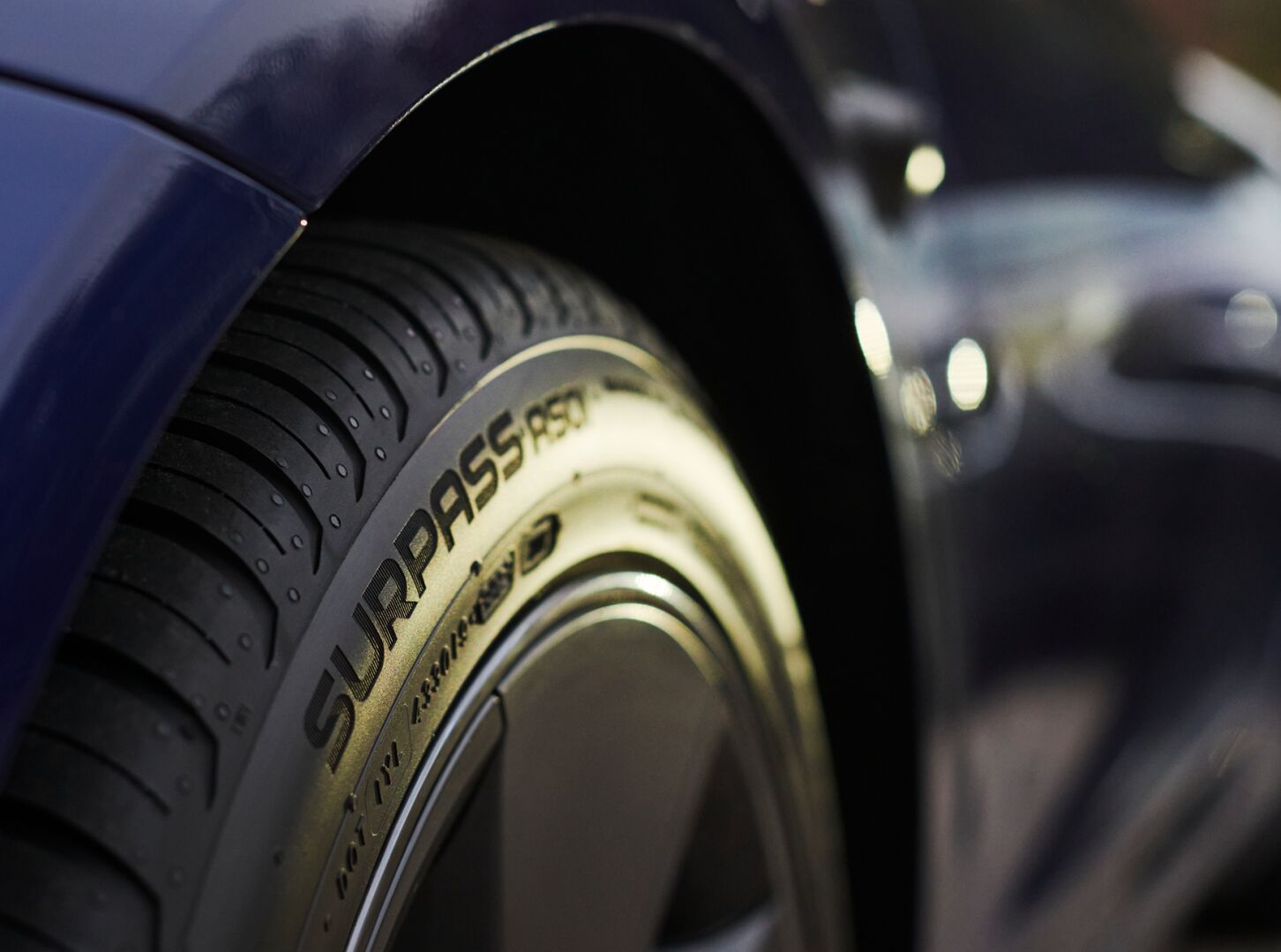
A tire pressure monitoring system (TPMS) enhances road safety by indicating significant tire pressure drops. Discover how TPMS works.
TPMS stands for tire pressure monitoring system: an electronic system that alerts if tires are significantly under-inflated. In 2000, the Transportation Recall Enhancement, Accountability and Documentation Act (TREAD Act) made TPMS mandatory to enhance road safety. Among other mandates, the TREAD Act stated that it is required to have a tire pressure monitoring system in all vehicles manufactured after September 2007.
Tire pressure monitoring systems have an important role in safe driving. TPMS helps to keep proper tire pressure which is essential for vehicle stability, fuel efficiency, and overall safety on the roads.
How does TPMS work?
There are two different types of tire pressure monitoring systems. It is up to vehicle manufacturers to decide which one to use.
Indirect tire pressure monitoring system
Indirect TPMS works with the vehicle’s anti-lock braking system (ABS). It doesn’t measure directly the pressure of each tire but utilizes the rate of wheel revolution to determine the air pressure. If wheel speed sensors notice that one of the vehicle’s tires rolls at a different speed than the others, the tire pressure indicator illuminates.
Usually, indirect TPMS is the more economical option of the two types of tire pressure monitoring systems. It is good to note that indirect TPMS needs resetting after tire rotation and inflation.
Direct tire pressure monitoring system
Direct tire pressure monitoring system measures the air pressure of each of the tires. Each tire has a sensor, and the data from their monitoring systems is transmitted directly to the vehicle’s dashboard. If the air pressure drops 25 % under the vehicle manufacturer’s recommended level, the TPMS indicator on the dashboard lights up.
Direct TPMS gives more accurate data compared to indirect TPMS. Also, it doesn’t need resetting after inflation or tire rotation.

Benefits of tire pressure monitoring systems
A tire pressure monitoring system makes it easier for you to notice if there are significant drops in tire pressure. Maintaining correct tire pressure is essential for safe and efficient driving. Low tire pressure can create unsafe driving conditions – by monitoring the pressure you enhance road safety.
Properly inflated tires ensure a smoother and safer driving experience, reducing the risk of unexpected issues on the road. When your tires are properly inflated, the vehicle is more predictable, the steering is more responsive, and the braking distance is shorter. Also, properly inflated tires wear evenly, which helps you keep tires quiet.
In addition, TPMS contributes to better fuel economy. Driving with under-inflated tires increases rolling resistance, and thus the vehicle consumes more fuel. By noticing low tire pressure and inflating the tires, you make your vehicle more fuel-efficient. You can also reduce fuel consumption by using tires with high fuel economy ratings.
What to do when the indicator light comes on
When the tire pressure monitoring system’s indicator illuminates, it tells that tire pressure has dropped significantly. Check the tire pressure for example in a gas station, garage, or tire store. You should check the pressure of all four tires. Inflate the tire – or tires – that have lost the correct pressure. When the air pressure is proper again, the indicator’s light should go off. If it doesn’t, it might need resetting.
A sudden drop in tire pressure can happen also because of a tire blowout. In case of a blowout, change the damaged tire to a spare tire. Note that the spare tire is for temporary use only and might not have TPMS on it. You should replace it with a new tire as soon as possible.
Other signs of low tire pressure
TPMS is a useful tool for monitoring tire pressure. However, tire pressure sensors only register significant tire pressure drops, meaning that they do not indicate slightly under-inflated tires. Here are some signs that tell the tire pressure might be too low:
- Unusual tire noise. When tire pressure is too low, you might hear a thumping noise while driving.
- Edge wear pattern. Under-inflated tires tend to wear faster on the edges of the tire.
- Increased fuel consumption. If you need to fill up more often than usual, it might be caused by too low inflation pressure.
- Decreased responsiveness. It is more difficult to steer and slow down when tire pressure is too low. You might also feel that the vehicle has less grip.
Check your tire pressure regularly
Driving with correct tire pressure helps you to better control your vehicle, consume less fuel, and make your tires last longer. Note that TPMS does not substitute manual tire pressure checking. We recommend checking tire pressure at least once a month. It is good to measure tire pressure also when you notice some of the signs mentioned above. Check the tire pressure regularly to extend the tire lifespan and enhance safety on the road.
Frequently asked questions about the TPMS
What is TPMS?
TPMS is an abbreviation for Tyre Pressure Monitoring System.
To which vehicles does the EU regulation on TPMS apply?
According to the EU regulation 661/2009, all vehicles that have received type approval after November 2012, as well as all new vehicles sold after November 2014, must have a Tyre Pressure Monitoring System (TPMS). The regulation does not apply to the owners of old vehicles, which means that if a vehicle did not have a pressure monitoring system when it was registered for use in traffic, you do not need to install such a system later.
What is the purpose of the regulation on TPMS?
The new regulations aim to improve traffic safety and to control fuel consumption. Tire pressure has a significant effect on the vehicle's handling characteristics and the service life of tyres.
How does the TPMS system work?
As its name indicates, the purpose of the system is to monitor tire pressure, which decreases emissions from vehicles and increases safety. The system will notify the driver if the pressure in a tire decreases more than 20% from the vehicle- and tire-specific default, or when the tire pressure drops under 1.5 bar at the latest. This allows the driver to stop safely in time to prevent potentially dangerous situations.
The EU regulation in itself does not determine if the TPMS system should be a so-called active (separate pressure sensors inside each tire) or passive (based on the interpretation of the vehicle's ABS system on the changes in the tyre's rotation speed) system. The most important thing is that the system must fulfil all of the EU regulation's requirements. The vehicle manufacturers will make the decision on which system to use.
How do I know if my vehicle has a pressure monitoring system that complies with the EU regulation?
The easiest way to verify the existence of the system is to check when the vehicle was manufactured (see section “To which vehicles does the EU regulation on TPMS apply?”) and the warning lights on the dashboard. If a separate TPMS symbol shows on the dashboard when the vehicle is started, the vehicle most likely has a system in accordance with the EU regulation. When the vehicle is started, its central processing unit checks the functioning of the system. If the tire pressures are fine and the system functions correctly, the warning light will go out a few seconds after starting the vehicle.
How much do pressure monitoring systems cost?
Vehicles within the scope of the EU regulation already have the pressure monitoring system installed at the factory, and it has been included in the vehicle's purchase price. If the vehicle has an active pressure monitoring system (separate pressure sensors inside each tire), the vehicle's owner must also purchase separate sensors for the winter tires in order to ensure that the pressure monitoring system also functions in the winter.
The quality and price of the sensors on the market varies a great deal. At the moment, the biggest sensor manufacturers are American, European, and Asian, and their product selection includes both OE (parts from the original equipment manufacturer) and aftermarket sensors. The price range for the sensors on the market is €50–250/sensor.
In the future, can I change my tires myself?
You can still change the tires seasonally for summer or winter yourself because there will not be any changes in the actual removal and fitting of tires.
However, it is good to know that if the vehicle has a pressure monitoring system (this applies in particular to the active systems = separate pressure sensors inside each tyre), the TPMS warning light may remain lit after the seasonal change of tires. This may happen, for example, because the central processing unit of the vehicle model in question requires that the new sensors are “retaught” after a seasonal tire change using a diagnostics tool. In that case, consulting a professional is recommended to ensure that the pressure monitoring system is functioning correctly.
Based on current information, most new vehicles will identify the new sensors themselves, and the central processing unit will automatically reset the fault situation after about 15 to 20 minutes of driving.
How is compliance with the regulation monitored?
Based on current information, if the pressure monitoring system is not functional (the TPMS warning light on the dashboard is lit), this will constitute grounds for rejecting the vehicle at the annual inspection.
What did you think?
0 Responses
Please remember that it is the driver’s responsibility to ensure their tires are safe and suitable for their vehicle and to follow the vehicle’s manufacturer´s guidelines for proper use and maintenance. Consult your closest Nokian Tyres dealer or your vehicle’s manufacturer for specific advice.